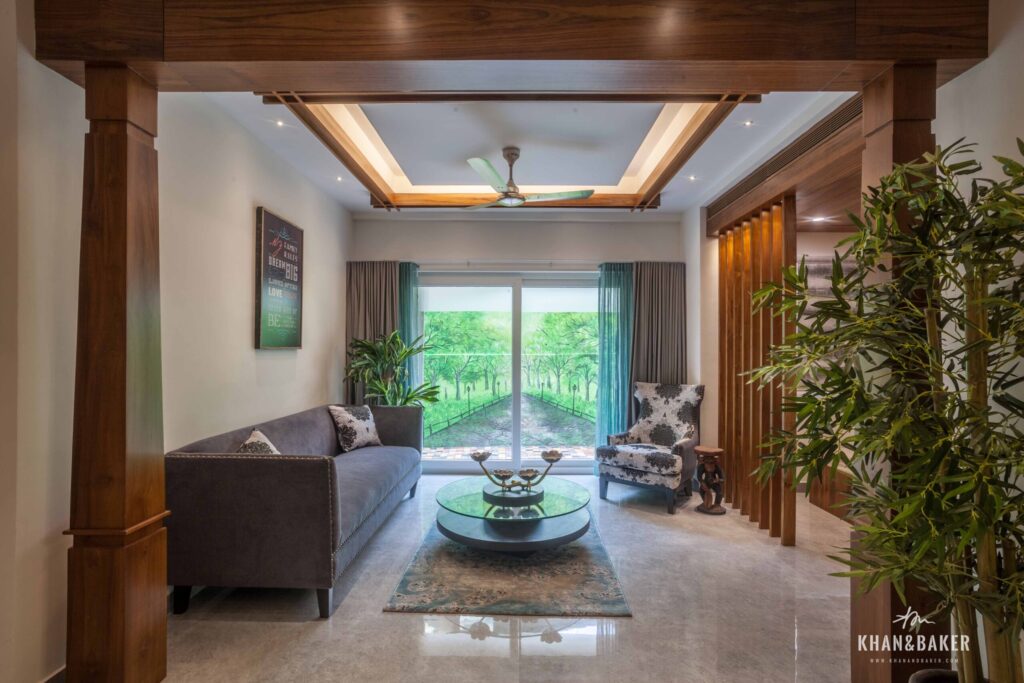
Today’s homes are a reflection of our fast-moving lifestyles, places where we recharge, reconnect, and find comfort. Of all the different nooks and corners of a house, balconies often hold untapped potential, but they are also the spaces that are often overlooked when designing home interiors. Depending on its size, a balcony can become your morning coffee spot, reading nook, mini garden, or peaceful evening retreat with the right interior design approach.
Modern homeowners are increasingly looking beyond traditional room layouts and paying attention to transitional spaces that improve quality of life. A thoughtfully designed balcony not only enhances the visual appeal of your home interior but also creates a meaningful connection between indoor comfort and the outdoors. With guidance from experienced interior designers, it is possible to transform balcony spaces into elegant extensions of your personality that are functional, stylish, and inviting.
Compact contemporary homes have a constraint on space, and balconies are no longer viewed as secondary areas used only for drying clothes or storage. Instead, they are becoming essential lifestyle spaces within modern home interior planning. A well-designed balcony adds emotional and functional value to a home, creating a private escape from daily stress without requiring additional space and offers access to natural light, fresh air, and openness.
Good interior design ensures that balconies blend seamlessly with the rest of the home and makes the home feel larger and more cohesive. Balconies also improve the usability of a homeand can be transformed into work-from-home corners, breakfast seating areas, mini lounges, meditation spaces, or entertainment zones. With smart planning from professional interior designers, balconies can become multi-functional spaces tailored to your lifestyle.
Furniture plays a major role in defining the comfort and functionality of a balcony space, making it feel welcoming, organized, and visually balanced, regardless of its size. Here are a few factors that have a clear impact on how your balcony looks and feels:
When selecting furniture for balcony interior design, space planning should come first. Oversized furniture can make balconies feel cramped, while overly minimal setups may lack warmth and usability. For compact balconies, foldable or multifunctional furniture works best. Wall-mounted tables, stackable chairs, and benches with hidden storage help maximize space without cluttering the area. Slim-profile seating and lightweight materials maintain an airy look. In larger balconies, you can introduce lounge chairs, swing seats, outdoor sofas, or compact dining arrangements into the balcony depending on how you plan to use the space. Many modern interior designers recommend modular outdoor furniture that can adapt to changing needs.
Material selection plays an important role, especially in regions with humidity or heavy rainfall. Weather-resistant materials such as treated wood, rattan, powder-coated metal, and outdoor-grade fabrics ensure durability while maintaining aesthetic appeal.
Comfort is another factor that should never be overlooked. Cushions, throws, and upholstered seating add softness and encourage relaxation. Neutral shades create timeless elegance, while colourful accents can introduce personality and vibrancy into the home interior.
Furniture arrangement influences how spacious the balcony feels. Keeping seating aligned along walls or corners opens up movement space and maintains visual clarity. Small coffee tables or side tables can complete the setup without overwhelming the layout.
Ultimately, balcony furniture should support your lifestyle. Whether your ideal balcony is a peaceful reading nook or a lively evening hangout, the right furniture transforms the space into a natural extension of your home.
Lighting has the power to completely change the atmosphere of a balcony. Even a simple balcony can feel luxurious and inviting when illuminated thoughtfully. Good lighting not only improves visibility but also enhances mood, comfort, and aesthetic appeal.
Professional interior designers often emphasize the importance of lighting balance. Excessive brightness can make balconies feel harsh, while insufficient lighting reduces comfort and usability. The right balance creates a soothing transition between indoor and outdoor spaces. Lighting also highlights textures and decor elements, making plants, wooden flooring, textured walls, and decorative pieces appear more striking and illuminated. A beautifully lit balcony encourages you to spend more time outdoors, transforming ordinary evenings into calm and memorable experiences.
Plants instantly bring life into any space, and balconies offer the perfect opportunity to introduce greenery into your home interior. A green balcony feels refreshing, calming, and visually vibrant while improving air quality and emotional well-being. One of the biggest advantages of adding plants to balcony interior design is the connection it creates with nature, particularly in urban homes with limited access.
The type of plants you choose depends on balcony size, sunlight availability, and maintenance preferences. Small balconies benefit from vertical gardens, railing planters, and hanging pots that maximize greenery without occupying floor space. Larger balconies can accommodate potted trees, layered plant arrangements, herb gardens, or even cozy green corners with seating integrated into the landscape.
Green balconies also improve privacy naturally. Tall plants and vertical green walls can soften harsh surroundings and create intimate spaces for relaxation. Many experienced interior designers use plants strategically to define zones within balcony layouts. For example, greenery can separate seating areas from utility corners or frame cozy reading spaces beautifully.
With a small investment, a green balcony ultimately becomes a calming retreat that reconnects you with nature within the comfort of your own home.
Flooring and décor play a crucial role in elevating balcony aesthetics, defining the overall mood of the space and contributing significantly to comfort, style, and usability. When planning balcony interior design, flooring should be both visually appealing and weather-resistant. Outdoor flooring materials must withstand sunlight, moisture, and regular use while remaining easy to maintain.
Creating a beautiful balcony does not always require a large budget. With thoughtful planning and creative choices, even simple balconies can look stylish and inviting.
Budget-friendly balcony interior design starts with prioritizing essentials. Focus first on seating, lighting, and greenery before adding decorative details. A small but well-planned setup often feels more elegant than overcrowded expensive designs.
Ultimately, budget-friendly balcony interiors focus on comfort, simplicity, and intentional design rather than extravagance. A beautifully designed balcony reminds us that relaxation and comfort don’t always require large spaces, just one thoughtfully designed corner.
