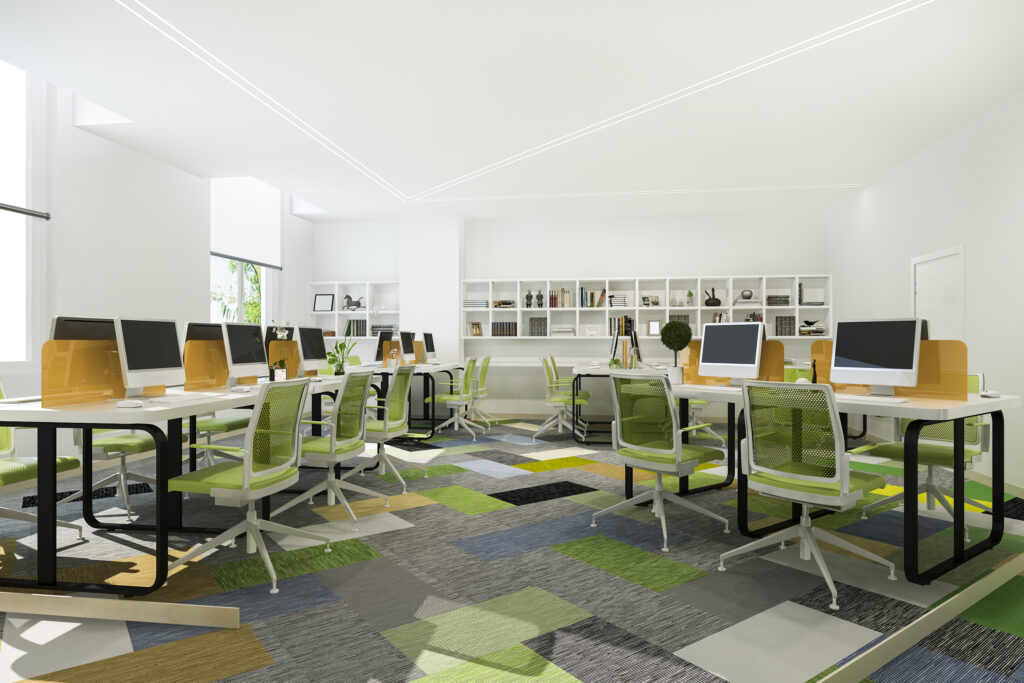
The modern workplace has evolved far beyond rows of desks and functional furniture. Today, organizations recognize that office environments significantly influence how employees think, feel, collaborate, and perform. A thoughtfully designed workspace is no longer considered a luxury. Instead, it is seen as a strategic investment in employee well-being, engagement, and productivity.
Research consistently shows that the physical environment affects concentration, creativity, motivation, stress levels, and job satisfaction. Factors such as layout, lighting, colours, furniture, acoustics, and access to nature all play a role in shaping workplace experiences. Employees spend a significant portion of their day at work, making the office environment a powerful contributor to both individual and organizational success.
Effective office interior design combines aesthetics with psychology, creating spaces that support focus, collaboration, and comfort. The best workplaces are designed not only to look impressive but also to help employees perform at their best. As businesses increasingly prioritize employee experience, innovative office interior ideas are transforming workplaces into environments that foster productivity, creativity, and well-being. Understanding the psychology behind workplace design helps organizations make informed decisions that benefit both employees and business outcomes.
Office layout is one of the most influential aspects of workplace design. The arrangement of workstations, meeting rooms, collaborative zones, and circulation paths directly affects how employees interact, communicate, and complete their tasks.
An effective office interior design begins with understanding how teams work. Different tasks require different environments. Employees performing focused, analytical work often need quiet spaces with minimal distractions, while collaborative teams benefit from open areas that encourage communication and idea-sharing.
Open-plan offices became popular because they promote interaction and teamwork. However, excessive openness can also lead to distractions and reduced concentration. This has led many organizations to adopt hybrid layouts that combine collaborative spaces with private focus areas. Strategically designed work zones allow employees to choose environments that suit their tasks. Quiet booths, meeting rooms, brainstorming zones, and informal lounges provide flexibility while improving workflow efficiency. Clear circulation paths also contribute to productivity. Employees should be able to move through the office comfortably without disrupting colleagues. Well-planned layouts reduce congestion, improve accessibility, and support smoother operations.
Modern office interior ideas increasingly focus on activity-based working, where employees are not restricted to a single desk but can utilize different spaces depending on their work requirements. This flexibility often leads to improved engagement and higher productivity. Experienced office interior designers in Trivandrum incorporate these principles to create workplaces that balance collaboration, privacy, and efficiency. When office layouts align with employee needs and organizational goals, they create environments that support concentration, collaboration, and overall workplace satisfaction.
Colour psychology plays a surprisingly powerful role in workplace performance. Colours influence emotions, energy levels, perception, and behavior, making them an important consideration in office interior design.
Different colours evoke different psychological responses.
However, excessive use of highly saturated colours can become overwhelming and distracting. Neutral tones such as white, beige, grey, and soft earth shades create a professional backdrop while allowing accent colours to introduce personality and energy. These combinations often result in visually balanced workspaces that feel inviting rather than sterile.
Many modern office interior ideas use colour strategically to define zones within the workplace. Collaborative spaces may feature energizing colours, while focus zones utilize calmer palettes that support concentration. Brand identity also influences workplace colour choices. Incorporating company colours thoughtfully can strengthen culture and reinforce organizational values without overwhelming the environment.
The key is achieving balance. The most successful office interiors use colour intentionally to enhance mood, reduce stress, and support the desired workplace culture.
Lighting has a profound impact on employee health, mood, productivity, and overall workplace satisfaction. Poor lighting can contribute to fatigue, eye strain, headaches, and reduced concentration, while effective lighting improves energy levels and cognitive performance.
Natural light is widely considered one of the most valuable elements in office interior design. Exposure to daylight helps regulate circadian rhythms, improves sleep quality, enhances mood, and boosts alertness throughout the day. Workstations positioned near windows often experience higher employee satisfaction and productivity. Natural light also creates a sense of openness and connection to the outside world, reducing feelings of confinement.
However, natural light alone is not always sufficient. Artificial lighting plays an equally important role, particularly in larger offices or during evening hours. Layered lighting strategies are becoming increasingly popular in modern office interior ideas. Combining ambient, task, and accent lighting creates balanced environments that support different activities and employee preferences. Warm lighting tends to create relaxed and welcoming atmospheres, while cooler lighting promotes alertness and focus. Adjustable lighting systems allow employees to customize their environments according to individual comfort levels. Glare control is another critical factor. Excessive brightness or poorly positioned lights can cause discomfort and reduce productivity. Effective office lighting balances visibility, comfort, and aesthetics to create environments where employees can perform optimally.
Employee productivity is closely linked to physical comfort. Even the most visually appealing office will struggle to support performance if employees experience discomfort or fatigue throughout the day.
Ergonomics focuses on designing workspaces that fit the needs of users rather than forcing users to adapt to their environments. This principle has become a cornerstone of modern office interior design. Ergonomic chairs, adjustable desks, monitor positioning, and proper workstation layouts help reduce physical strain and support healthy posture. Employees who are comfortable tend to remain focused for longer periods and experience fewer health-related issues. Height-adjustable desks have gained popularity because they encourage movement throughout the workday. Alternating between sitting and standing can improve circulation, reduce fatigue, and enhance overall well-being.
Comfort, however, extends beyond furniture. Temperature control, adequate personal space, air quality, and visual comfort all contribute to workplace satisfaction.
Modern office interior ideas increasingly prioritize employee wellness through flexible workstations, breakout areas, relaxation zones, and wellness-focused amenities. These features demonstrate an organization’s commitment to employee health while supporting productivity. Leading office interior designers in Trivandrum incorporate these wellness-focused elements to create healthier and more engaging work environments. A comfortable workspace sends a powerful message that employees are valued. This often leads to increased engagement, reduced absenteeism, and stronger overall performance.
Humans have an innate connection to nature, and biophilic design seeks to strengthen that connection within built environments. Incorporating natural elements into workplaces has been shown to reduce stress, improve mood, and enhance cognitive performance. Biophilic design has become one of the most influential trends in contemporary office interior design. It goes beyond simply adding a few plants and involves creating meaningful connections between employees and natural environments.
Indoor plants are among the most accessible biophilic elements. They improve air quality, soften visual environments, and create a calming atmosphere. Research suggests that employees working in greener environments often experience lower stress levels and higher productivity. Natural materials such as wood, stone, and bamboo introduce warmth and texture while reinforcing connections to nature. Views of outdoor landscapes, access to daylight, and natural ventilation further enhance employee well-being. Many innovative office interior ideas incorporate green walls, indoor gardens, water features, and nature-inspired design elements to create healthier workplaces.
Biophilic design also contributes to creativity. Natural environments stimulate the brain differently than artificial settings, encouraging innovative thinking and mental restoration. By integrating nature into office spaces, organizations create environments that support both emotional well-being and professional performance.
While office aesthetics often receive significant attention, acoustics are equally important to workplace productivity. Noise is one of the most common complaints in office environments and can significantly impact concentration, communication, and employee satisfaction.
In open-plan offices, uncontrolled noise can become a major source of distraction. Conversations, phone calls, office equipment, and general activity can interrupt focus and increase cognitive fatigue. Effective office interior design addresses acoustics through thoughtful space planning and sound-management solutions. Acoustic panels, sound-absorbing ceilings, carpets, upholstered furniture, and partition systems help reduce noise transmission.
Different work zones may require different acoustic strategies. Quiet areas should minimize distractions, while collaborative zones can accommodate higher activity levels without affecting surrounding spaces. Many modern office interior ideas incorporate dedicated phone booths, private meeting rooms, and acoustic pods to provide employees with spaces for focused work and confidential conversations. Sound masking systems are also becoming increasingly common in larger workplaces. These systems introduce subtle background sounds that help reduce the impact of distracting noise.
When acoustics are carefully considered, employees can concentrate more effectively, communicate more clearly, and experience lower stress levels throughout the workday.
Successful office interior design goes beyond creating visually appealing spaces. Experienced office interior designers in Trivandrum focus on understanding human behavior and designing environments that support productivity, collaboration, creativity, and comfort. Thoughtfully implemented office interior ideas can improve focus, reduce stress, enhance engagement, and contribute to a stronger workplace culture.
Gruhem Interiors one of the leading office interior designers in Trivandrum, brings valuable expertise to businesses seeking meaningful workplace transformations. Gruhem understands that every organization has unique operational needs, team dynamics, and brand values. By combining design excellence with a deep understanding of workplace psychology, the team creates office environments that are both functional and inspiring.
From ergonomic workstations and optimized layouts to biophilic elements, acoustic solutions, and modern collaborative spaces, Gruhem Interiors, one of the trusted office interior designers in Trivandrum, designs workplaces that prioritize employee well-being while supporting business goals. Every project is approached with a commitment to balancing aesthetics, functionality, and human-centered design principles. With thoughtful planning and innovative solutions, Gruhem helps organizations create workplaces where employees feel motivated, comfortable, and empowered to
